Fast Fashion vs. Slow Fashion: The True Cost of Your $20 Jacket
The $20 Jacket Question
You're scrolling through an online store. Two jackets catch your eye:
Jacket A: $20
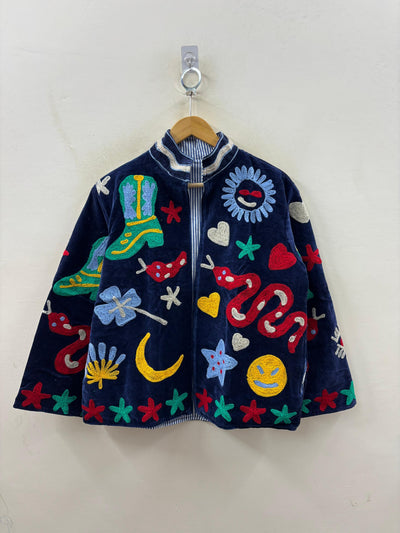
"Trendy embroidered jacket. Machine washable. Fast shipping!"
Jacket B: $59
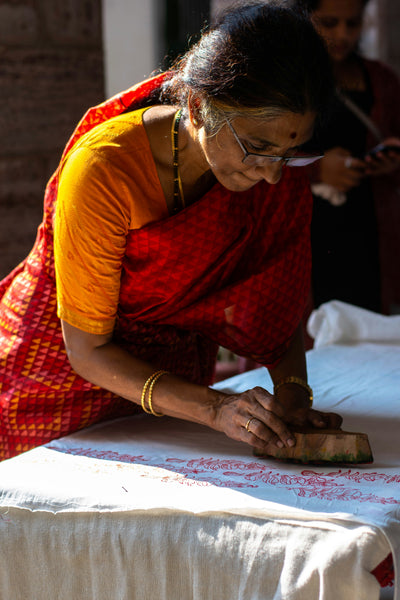
"Hand-embroidered by artisan Ramesh in Jaipur. Natural materials. Made to order."
Your brain does quick math: "That's 3 jackets for the price of one!"
You click "Add to Cart" on Jacket A.
Here's what that decision just cost — and I'm not talking about money.
What is Fast Fashion? (And Why Should You Care?)
Fast fashion is the business model of producing trendy clothing FAST and CHEAP by:
- Using synthetic materials (polyester, nylon)
- Manufacturing in factories with low labor costs
- Designing clothes to last 1 season (planned obsolescence)
- Pushing new "collections" every 2-4 weeks
- Relying on massive scale (millions of units)
The Players: Shein, Fashion Nova, H&M, Zara, Forever 21, Boohoo
The Promise: "Be trendy without breaking the bank!"
The Reality: The most environmentally destructive and socially exploitative industry on the planet.
Let me break down what you're REALLY buying when you click that $20 jacket.
The True Cost of Fast Fashion
🌍 Environmental Devastation
FACT: The fashion industry produces 10% of global carbon emissions — more than all international flights and maritime shipping COMBINED.
FACT: Fashion is the 2nd largest consumer of water globally. One cotton t-shirt requires 2,700 liters of water to produce.
FACT: 85% of textiles end up in landfills or incinerators each year. That's 92 million tons of textile waste annually.
Let's zoom in on that $20 jacket:
Raw Materials (Polyester)
- Made from petroleum (fossil fuels)
- Takes 200+ years to decompose
- Every wash releases microplastics into oceans
- Contributes to 35% of ocean microplastic pollution
Manufacturing
- Uses toxic chemical dyes (banned in many countries)
- Untreated wastewater dumped into rivers
- High energy consumption (coal-powered factories)
- Carbon footprint: ~15-20kg CO2 per jacket
Shipping
- Mass air freight (fastest = most polluting)
- Plastic packaging (non-recyclable)
- Cardboard boxes (often not recycled)
End of Life
- Worn 5-10 times average
- Too low quality to resell/donate
- Ends in landfill within 6 months
- Sits there for 200+ years, releasing toxins
YOUR $20 JACKET TOTAL ENVIRONMENTAL COST:
- 20kg CO2 emissions
- 2,000L water consumption
- 0.5kg microplastics released over lifetime
- 200+ years in landfill
👥 Human Exploitation
Behind every cheap garment is a person being exploited.
The Rana Plaza Disaster (2013):
- Garment factory in Bangladesh collapsed
- 1,134 workers killed
- 2,500+ injured
- Workers had complained about cracks in walls
- Management forced them to work anyway
- They were making clothes for western fast fashion brands
This wasn't an isolated incident. It's the SYSTEM.
Fast Fashion Worker Reality:
Wages: $2-3 per day (below living wage) Hours: 12-16 hour shifts, 6-7 days/week Conditions: Unsafe buildings, poor ventilation, no breaks Rights: No unions, no benefits, no job security Age: Often includes child labor (especially in cotton farms)
The Math:
Your $20 jacket breakdown:
- $0.50: Fabric and materials
- $0.30: Worker wages (for 2-3 hours of work)
- $4.00: Factory overhead
- $3.00: Shipping
- $2.20: Retailer costs
- $10.00: Brand profit
That worker who made your jacket?
They earned $0.30. And worked in a building that might collapse.
🧠 Psychological Cost (To You!)
Fast fashion companies use psychology against you:
1. Artificial Scarcity "Only 3 left in stock!"
"Sale ends in 2 hours!"
Creates FOMO (Fear of Missing Out) to make you buy impulsively.
2. Dopamine Manipulation Every purchase triggers a dopamine hit in your brain. Fast fashion is designed to give you that "high" frequently — then wear off quickly so you need another fix.
You're not shopping. You're being hacked.
3. Decision Fatigue 50 new items a week = constant decisions = mental exhaustion = worse life decisions
4. Closet Guilt Average person wears only 20% of their wardrobe. That 80%? Guilt every time you open your closet.
5. Financial Drain
- $20/week on fast fashion = $1,040/year
- On clothes you wear 5x before discarding
- Could have bought 17 quality pieces that last years
What is Slow Fashion? (The Zoshak Model)
Slow fashion is the opposite philosophy:
- Quality over quantity
- Timeless over trendy
- Handmade over mass-produced
- People over profit
- Planet over speed
The Promise: Clothes that last, made by people who are paid fairly, using materials that don't destroy the planet.
The Reality: It works. But it requires rethinking everything you know about shopping.
Let's Compare: $20 Fast Fashion Jacket vs. $59 Zoshak Jacket
📊 The Real Comparison
| Aspect | $20 Fast Fashion Jacket | $59 Zoshak Handmade Jacket |
|---|---|---|
| PRODUCTION | ||
| Made by | Anonymous factory worker | Named artisan (Ramesh Kumar) |
| Time to make | 30 minutes (machine) | 8-16 hours (by hand) |
| Worker paid | $0.30 for 2-3 hrs work | $30-35 (3x market rate) |
| Worker conditions | Unsafe factory | Dignified home workshop |
| MATERIALS | ||
| Fabric | Polyester (petroleum-based) | 100% cotton (natural) |
| Dyes | Chemical (toxic runoff) | Natural plant-based |
| Biodegradable? | No (200+ years) | Yes (6 months-2 years) |
| Microplastics? | Yes (every wash) | No |
| ENVIRONMENTAL IMPACT | ||
| CO2 emissions | 20kg | 3kg |
| Water usage | 2,000L | 400L |
| Chemical pollution | High | Minimal |
| Packaging | Plastic | Plastic-free |
| LONGEVITY | ||
| Expected lifespan | 1 season (6 months) | 5-10+ years |
| Times worn | 5-10 | 100+ |
| Quality degradation | Rapid (pilling, fading) | Improves with age |
| Resale value | $0 | $20-30 |
| SOCIAL IMPACT | ||
| Artisan recognition | Anonymous | Name on maker card |
| Fair wages | No | Yes (3x market) |
| Skill preservation | Destroys traditions | Keeps crafts alive |
| Community support | None | Directly supports families |
| TRUE COST ANALYSIS | ||
| Purchase price | $20 | $59 |
| Cost per wear (1 yr) | $4.00 (5 wears) | $0.59 (100 wears) |
| Replacement frequency | 2x/year | Every 5-10 years |
| 5-year total cost | $200 (10 jackets) | $59 (1 jacket) |
"But I Can't Afford Slow Fashion!"
I hear this A LOT. And I get it. $59 feels like a lot when you're used to $20.
But let's do honest math:
Scenario A: Fast Fashion
- Buy $20 jacket
- Wear it 8 times over 4 months
- It pills, fades, or goes out of style
- Buy another $20 jacket
- Repeat
Annual spend: $80-100 (4-5 jackets)
5-year spend: $400-500 (20-25 jackets)
Jackets still wearable after 5 years: 0-2
Scenario B: Slow Fashion (Zoshak)
- Buy $59 jacket
- Wear it 20+ times per year
- After 5 years, still looks great
- Maybe buy 1-2 more over those 5 years for variety
Annual spend: $60-80
5-year spend: $150-200 (3 jackets)
Jackets still wearable after 5 years: 3
YOU SAVE $250+ AND HAVE BETTER CLOTHES.
The 10-Wear Test
Here's a simple rule that will transform your wardrobe:
Before buying ANYTHING, ask: "Will I wear this 30+ times?"
If the answer is no → Don't buy it.
Fast fashion jackets: Most people can't pass this test (5-10 wears typical)
Slow fashion jackets: Designed to pass this test (100+ wears expected)
This ONE question will:
- Save you thousands of dollars
- Reduce your environmental impact by 80%
- Give you a wardrobe you actually love
- Free up mental space (less decision fatigue)
How to Transition to Slow Fashion (Without Going Broke)
You don't have to throw out everything and start over. Here's a realistic plan:
Phase 1: Stop the Bleeding
- Unsubscribe from fast fashion emails (stop the temptation)
- Unfollow fast fashion brands on Instagram
- Delete fast fashion apps
- Wait 48 hours before any clothing purchase (kill impulse buying)
Phase 2: Shop Your Closet
- Take inventory of what you already have
- Rewear things you forgot about
- Learn 10 new ways to style existing pieces
- Repair items instead of discarding
Phase 3: Strategic Slow Fashion Investments
- Identify gaps in wardrobe (ex: need 1 versatile jacket)
- Research quality brands (like Zoshak!)
- Buy ONE great piece instead of 3 mediocre ones
- Focus on timeless styles, not trends
Phase 4: Maintenance
- Learn to care for clothes properly (makes them last 2-3x longer)
- Get a tailor (alterations extend life dramatically)
- Learn basic repairs (sew on buttons, patch holes)
- Store properly (prevents damage)
The Slow Fashion Mindset Shift
Transitioning from fast to slow fashion requires changing how you think about clothes:
OLD MINDSET:
- "I need something new for this event"
- "This is so cheap, why not?"
- "I'll wear it a few times"
- "Everyone will know I wore this before"
- "More is better"
NEW MINDSET:
- "I can style something I already own"
- "Quality over quantity"
- "I'll wear this 50+ times"
- "Rewearing is sustainable and smart"
- "Less, but better"
It's like the difference between fast food and a home-cooked meal. Both fill you up. One nourishes you. One leaves you feeling empty an hour later.
What If Everyone Bought Slow Fashion?
Imagine a world where:
For People:
- Garment workers earn living wages
- Artisans are celebrated, not exploited
- Traditional crafts thrive instead of dying
- Communities prosper instead of being extracted from
For Planet:
- 90% less textile waste in landfills
- 70% less water consumption
- 80% less CO2 emissions from fashion
- Zero microplastic pollution from synthetic clothes
- Clean rivers (no toxic dye runoff)
For You:
- Closet full of clothes you actually love
- Less decision fatigue every morning
- More money (buying less but better)
- Compliments on unique, beautiful pieces
- Stories behind what you wear
This isn't utopian fantasy. It's how fashion worked for thousands of years.
Fast fashion is the aberration. We're just returning to sanity.
Common Myths About Slow Fashion (Debunked)
MYTH 1: "Slow fashion is only for rich people"
TRUTH: Fast fashion is MORE expensive over time. You just notice the cost all at once with slow fashion instead of $20 at a time. (See math above.)
MYTH 2: "Slow fashion is boring and frumpy"
TRUTH: Have you SEEN our jackets? Slow fashion can be gorgeous, unique, and way more interesting than mass-produced trends.
MYTH 3: "I need a big wardrobe"
TRUTH: Most people wear 20% of their clothes 80% of the time. A smaller wardrobe of versatile, quality pieces is MORE functional.
MYTH 4: "Handmade means low quality"
TRUTH: The opposite. Handmade = higher quality. Each piece is inspected by the person who made it. Their reputation is on the line.
MYTH 5: "One person can't make a difference"
TRUTH: If you buy 20 pieces of clothing per year, switching to slow fashion means:
- 20 fewer pieces in landfills
- 20 fewer exploited workers
- 400kg less CO2 emissions
- Supporting artisan families directly
Multiply that by millions of people. MASSIVE difference.
Your Next Steps: Make the Switch
Ready to join the slow fashion movement? Here's how:
TODAY:
- Take the 10-wear test (look at your last 5 purchases)
- Calculate your true cost per wear
- Unsubscribe from 3 fast fashion brands
THIS WEEK:
- Shop your closet (find 5 "new" outfits from existing clothes)
- Learn to care for clothes properly
- Research 3 slow fashion brands (hint: you're already on one!)
THIS MONTH:
- Buy ONE quality piece instead of multiple cheap ones
- Share this article (spread awareness!)
- Start asking brands "Who made my clothes?"
THIS YEAR:
- Reduce clothing purchases by 50%
- Increase clothing quality by 100%
- Feel the difference in your wallet, conscience, and confidence
Meet Someone Who Made the Switch
Sarah, 29, Marketing Manager (New York)
Before:
- Bought 40-50 clothing items per year
- Spent $1,500 annually
- Wore items 3-8 times average
- Closet overflowing, never happy
After switching to slow fashion (2 years ago):
- Buys 8-12 items per year
- Spends $800 annually
- Wears items 30-50+ times
- Smaller closet, loves everything
Her words:
"I used to think I couldn't afford slow fashion. Turns out I couldn't afford fast fashion. I was spending $125/month on clothes I didn't love and barely wore. Now I spend less, have better clothes, and actually feel GOOD about my choices. My Zoshak jacket? Worn it 60+ times in 18 months. Best $59 I've ever spent."
The Bottom Line: Your $59 is a Vote
Every purchase is a vote for the world you want to live in.
When you buy a $20 fast fashion jacket, you vote for:
- Worker exploitation
- Environmental destruction
- Disposable culture
- Anonymous production
- Profit over people
When you buy a $59 Zoshak jacket, you vote for:
- Fair wages for artisans
- Sustainable materials and methods
- Heirloom quality
- Named makers and transparency
- People over profit
The choice is yours.
But now you can't claim ignorance. You know the true cost of both.
Ready to Make the Switch?
Browse our collection of handmade, artisan-crafted jackets. Every piece:
✓ Made by named artisans in Jaipur
✓ Natural materials only ✓ Fair wages (3x market rate) ✓ Built to last decades ✓ Comes with maker's name & signature
[Shop Slow Fashion →]
Because the planet can't afford fast fashion anymore.
And neither can you.
TAGS: #SlowFashion #FastFashion #SustainableFashion #EthicalClothing #ConsciousConsumer #TrueCost #ZeroWaste #FairTrade #Handmade #Zoshak